


By Loren Beachy
The phone rings out in the shop, and Vernon walks over to answer it. A friendly voice on the other end introduces himself as calling from some equipment listing company Vernon's never heard of. The fellow sounds professional enough though, so Vernon listens.
"I just sold a piece just like yours," the voice says. "And I've got three other buyers looking for exactly what you have listed. Send me $1,500 and I'll get it sold for you—probably for more than you're asking."
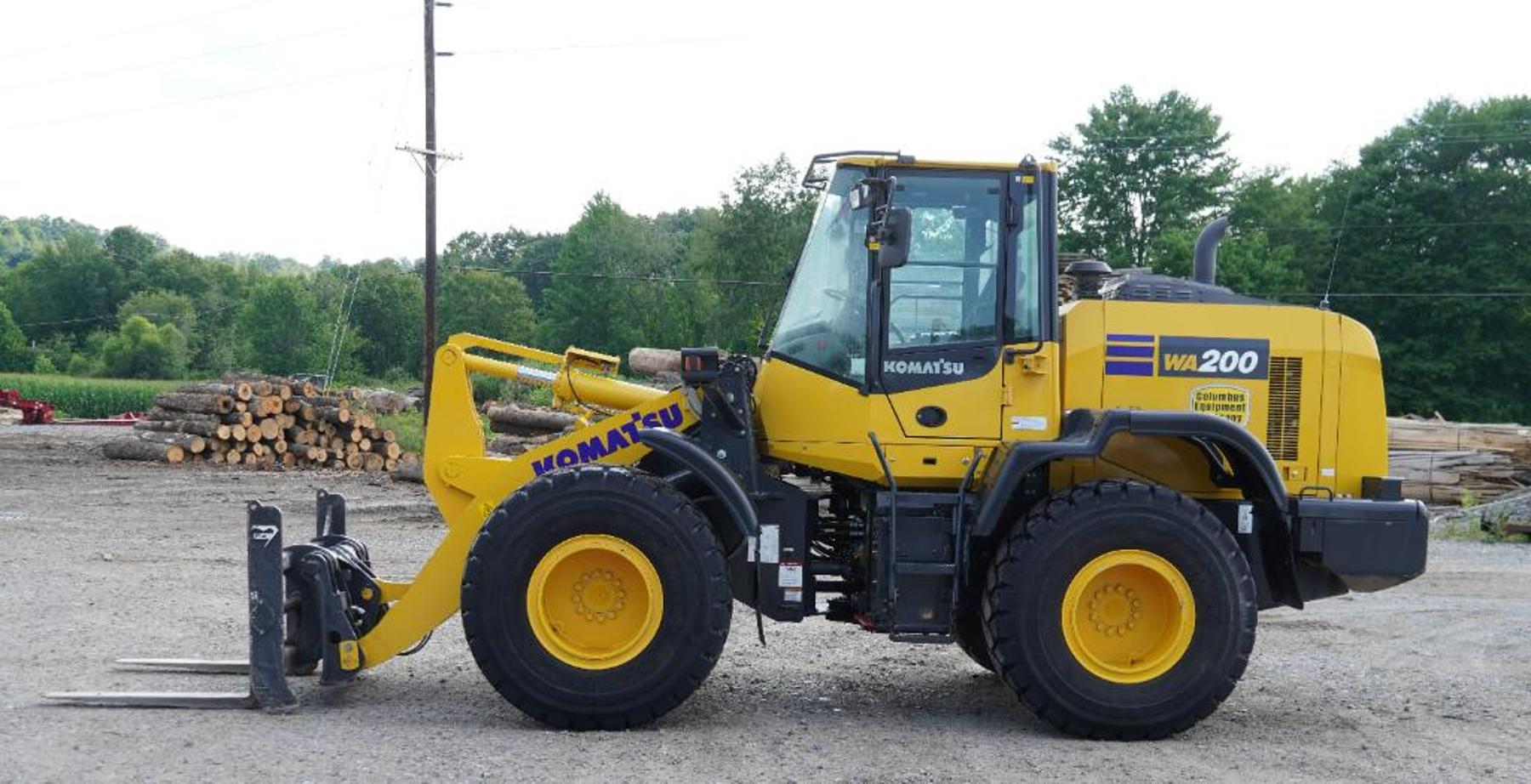
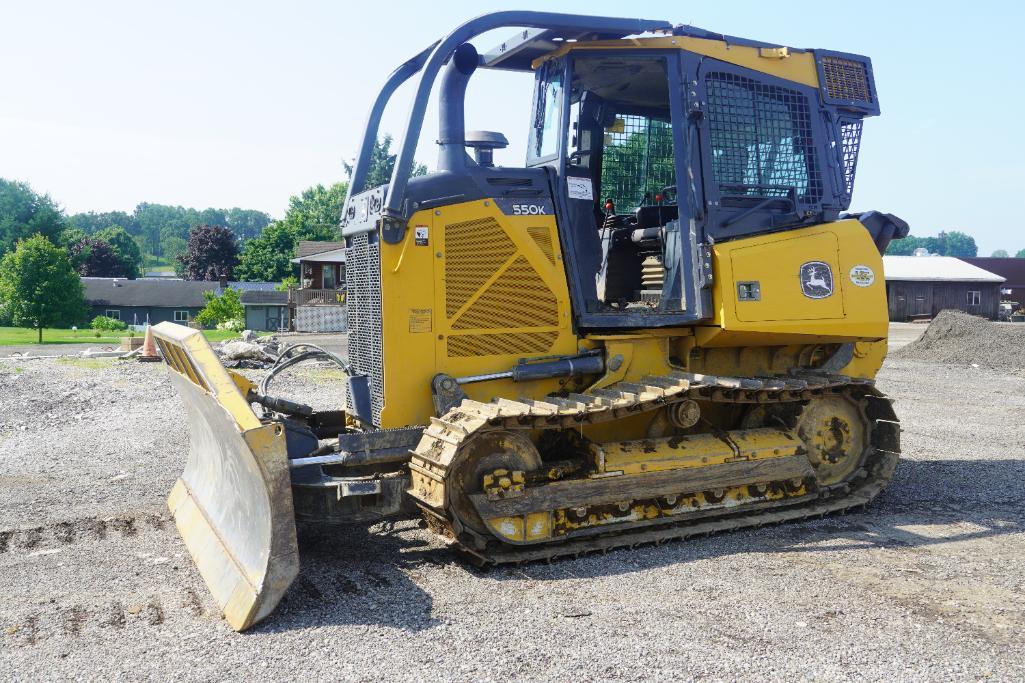
Vernon's eyebrows go up. More than he's asking? And they already have buyers lined up? He thinks about his two-year-old excavator that's been sitting in the equipment lot for three weeks now without so much as a nibble. The price these folks are promising sounds mighty appealing compared to the chorus of crickets he's been hearing from actual potential buyers. Maybe these folks know what they're doing.
He sends the money.
A week passes. Then two. Vernon tries calling back a few times. Sometimes someone answers and assures him they're "working on it"—which apparently means doing absolutely nothing. Most times, the phone just rings and rings, echoing in some empty office somewhere. Three weeks in, Vernon realizes his excavator is still sitting right where it was, and his $1,500 has vanished like morning dew on a July afternoon.
Now here's the uncomfortable part of this story: Vernon's not alone. Not by a long shot. We've talked to probably ten sellers in recent months who've had nearly identical experiences with what appears to be the same outfit operating under different names. The details change slightly, but the pattern stays the same—promises of quick sales, upfront fees, and then virtual silence.
These operations have slick-looking websites now, even Facebook pages. At first glance, they look legitimate enough. But if you dig around, you won't find much actual activity. No sold listings. No customer testimonials that weren't written by the scammers' mothers. Just a professional-looking storefront with not much behind it.
The scammers have gotten smart about who they target, too. They appear to focus on equipment advertised in publications that reach Amish and plain communities—folks who may have less ability to quickly verify information online or chase down references.
Here's what we're seeing as the common threads in these scams:
They call you first. Legitimate auction companies don't usually cold-call sellers and claim to have just sold something identical to yours. That's the bait.
They promise they "just sold" one like yours and have "other buyers" lined up. Though interest in past similar pieces has proven to be a reliable bellwether for us too, few ethical operators in the legitimate auction business will guarantee high-paying buyers before they've even seen your equipment or put it out to market.
They promise more than you're asking. If your excavator is listed at $12,000 and somebody calls promising they can get you $14,000, your internal alarm should be clanging like a dinner bell.
They want money upfront. This is where the trap springs shut. Once they have your money, good luck getting it back. The amounts are usually between $1,000 and $2,500—enough to hurt plenty, but small enough that the scammers figure most folks won't chase after it. Even those outside our Anabaptist circles who might consider legal remedies would find the cost and hassle far exceeds what they'd recover. The scammers know exactly what they're doing when they pick that price range.
The company name sounds generic and trustworthy. Something like "Midwest Equipment Listings" or "Ag Sales Pros"—names that could be anybody, which makes them harder to track down when things go sideways.
By Loren Beachy
You've never heard of them. If a company calls you out of the blue and you can't find anybody who's actually done business with them, that ought to tell you something.
Now, here's what makes this whole mess so frustrating. Legitimate auction companies provide a tremendous service to equipment sellers. They have networks of ready, willing, and able buyers who compete against each other to purchase equipment on a set timeline so the seller knows when it will be sold. Payment is handled professionally. Logistics are sorted out. Details that would give most sellers a headache are taken care of. It's a genuine value proposition.
But that value only exists when you're working with a company that's actually in the business of selling equipment, not just collecting fees and disappearing like smoke.
So how do you protect yourself? Three things:
Watch for those red flags. If somebody calls you instead of you calling them, promises the moon and a few nearby stars, and wants money upfront, slow down and think it through.
Do your homework. Before you send a dime to anybody, make sure you can verify that the company is legitimate and trustworthy. Talk to people who've actually used them. Check references. Don't rely solely on a website that could've been thrown together last Tuesday by somebody's nephew who "knows computers."
Work with people you know or people who come recommended by folks you trust. The equipment auction business is built on relationships and reputations. Companies like Bright Star Auctions have established track records because they've been doing this work for years, building trust one sale at a time.
The scammers will be ready for your questions. They've heard it all before and they've got smooth answers. But they can't fake a legitimate track record. They can't manufacture years of satisfied customers. And they sure can't give you back the reputation and trust that real auction companies have earned through decades of honest work.
If something sounds too good to be true, it probably is. And if somebody's asking for your money before they've done any work, well, that ought to tell you all you need to know.
Be careful out there, and stick with the folks who've proven themselves trustworthy. Your equipment—and your bank account—will thank you for it.