


Wildfire activity across North America is once again pushing forest management to the forefront. With many regions seeing elevated fire risk this year, conversations around prevention, timber health, and active management have taken on renewed urgency.
For forestry professionals, this is more than a seasonal headline. It is a reminder of the important role sound forest management plays in reducing fuel loads and protecting both timber resources and rural communities.
Much of the discussion centers around thinning overstocked stands, removing dead or diseased timber, and using prescribed burns to reduce the buildup of combustible material. While these practices are not new, growing wildfire intensity has increased interest in applying them more broadly.
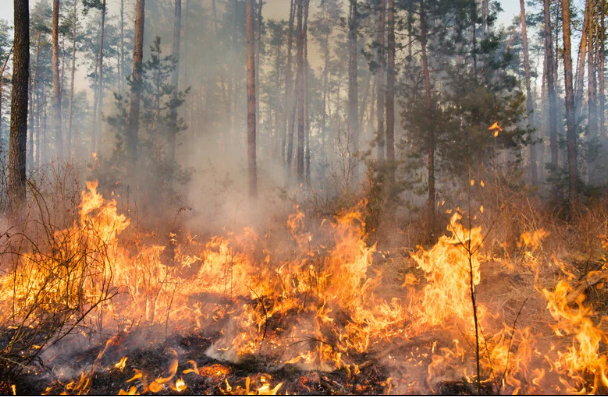
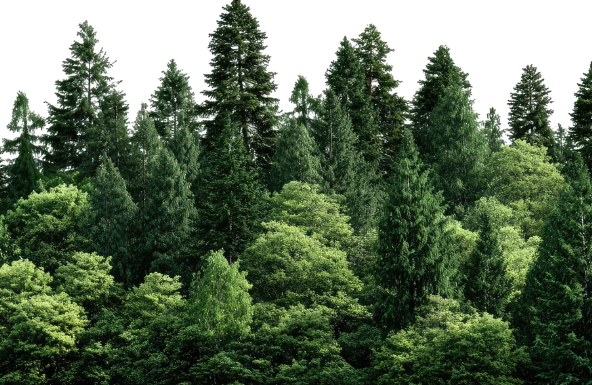
Many in the industry argue that active management is one of the strongest tools available for reducing catastrophic fire risk. Selective harvesting, responsible logging, and stewardship practices can help improve forest health while supporting the long-term productivity of working forests.
The topic is also bringing attention to forestry equipment and contractors. From mulchers and dozers to logging equipment used in thinning operations, demand tied to fuel reduction projects could create opportunities in certain segments of the market.
At the same time, wildfire concerns continue shaping public policy. Federal and state agencies are discussing expanded treatment programs, while private landowners are paying closer attention to management strategies that can make forests more resilient.
For the wood products sector, healthy forests remain the foundation of everything. Whether supplying mills, supporting wildlife habitat, or protecting rural economies, responsible management matters.
While no single solution will eliminate wildfire risk, many agree that proactive management can make a meaningful difference. And as this conversation grows, the forestry industry is likely to remain at the center of it.
In many ways, the renewed focus on wildfire prevention is also renewing appreciation for an old truth: healthy forests do not happen by accident. They require work, stewardship, and long-term thinking.