


By Wayne Nisley
In a world of rising utility costs, improving energy efficiency isn’t just about being green — it’s about keeping your operation profitable. Whether your mill is powered by electricity, diesel, or a mix of both, small improvements can make a big difference to your bottom line.
Start with the Basics
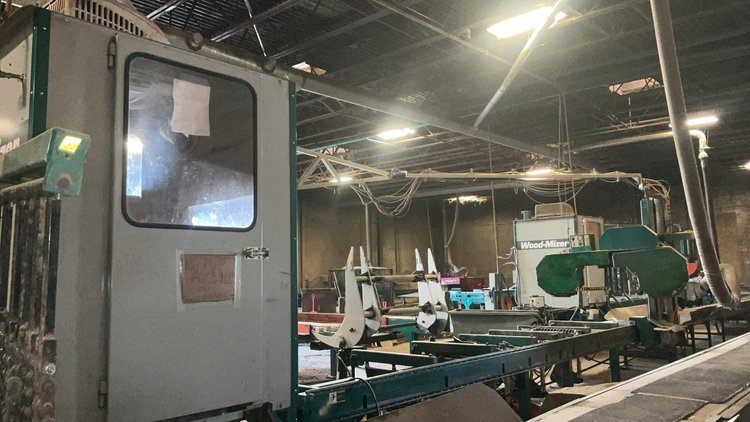
Before investing in new systems, take time to walk your plant and observe. Where do you hear air hissing from leaks? Which motors are running even when no lumber is moving? You might be surprised at how many kilowatts or gallons of fuel are wasted simply because no one noticed. Compressed air is one of the biggest energy thieves in a sawmill. A single 1/8-inch air leak can cost hundreds of dollars per year in wasted power. Regular leak checks, better pipe layouts, and replacing old fittings can dramatically cut your compressor’s run time.
Lighting is another easy win. Swapping fluorescent or halogen bulbs for LEDs can reduce energy use by 50–70%. The bonus is better, brighter light on your work areas — something your employees will appreciate every day.
Motor and Drive Efficiency
Most mills have a mix of new and old motors scattered across production lines. If a motor is over 15 years old, there’s a good chance it’s costing more to run than it should. Modern premium-efficiency motors can reduce energy use by 5–10%, and variable-frequency drives (VFDs) can cut even more by matching motor speed to the actual load. It doesn’t always make sense to replace every motor, but when one fails, replacing it with a premium model rather than a rebuilt standard-efficiency unit pays off quickly.
Managing Power Demand
If your mill runs on electricity, your utility bill is made up of two parts: total energy used and your demand charge — the highest 15-minute spike in power usage during the month. Starting too many machines at once can cause a costly spike that lingers on your bill. Stagger machine startups by 30 to 60 seconds to reduce peak demand. Installing soft starts or VFDs on large motors can smooth out power draw. Some mills even add energy monitors that display real-time usage so operators can see when they’re nearing a peak.
Diesel and Genset Operations
For mills running on diesel or with backup gensets, maintenance is key. Dirty air filters, clogged fuel lines, and worn injectors increase fuel burn. Keeping engines tuned and radiators clean maintains combustion efficiency. Where possible, consider running lighter loads on electric power if your grid rates are stable. Diesel engines are most efficient when loaded to 70–80% of their rated capacity — anything less can lead to wasted fuel and unnecessary wear.
If you’re using a generator as your primary power source, check that it’s properly sized. Too small and it’s overloaded; too large and it idles inefficiently. A good rule of thumb is to have it run at least half load during normal operation.
Heat Recovery and Waste Reduction
Sawmills create heat — lots of it. Instead of venting warm air outdoors, consider using that energy. Simple heat exchangers can capture warm air from kilns or compressors and redirect it to preheat water or air for other parts of the operation. Even something as simple as insulating steam lines and hot water pipes can make a noticeable dent in your fuel bill. Wood waste can also be part of your efficiency plan. Some mills burn sawdust and bark for boiler fuel or sell it to pellet producers. Turning waste into energy or revenue helps close the loop and offset power costs.
Employee Awareness
Technology helps, but people make the biggest difference. Encourage your team to shut down idle motors, close air valves, and report leaks. Post reminders in key areas about turning off equipment and lights. A mill full of energy-conscious employees is far more efficient than one that depends solely on equipment upgrades.
The Bottom Line
Energy efficiency doesn’t require expensive overhauls or brand-new systems. The most effective savings often come from consistent attention to small details. A few changes here and there — fixing leaks, tuning motors, upgrading lighting, or managing demand — can lead to thousands of dollars in annual savings.
Take a fresh walk through your mill this month. Listen, look, and measure. The easiest dollars to earn might be the ones you never spend.